Founder’s Story
FOUNDER'S STORY
The Journey of Adebukola Salau
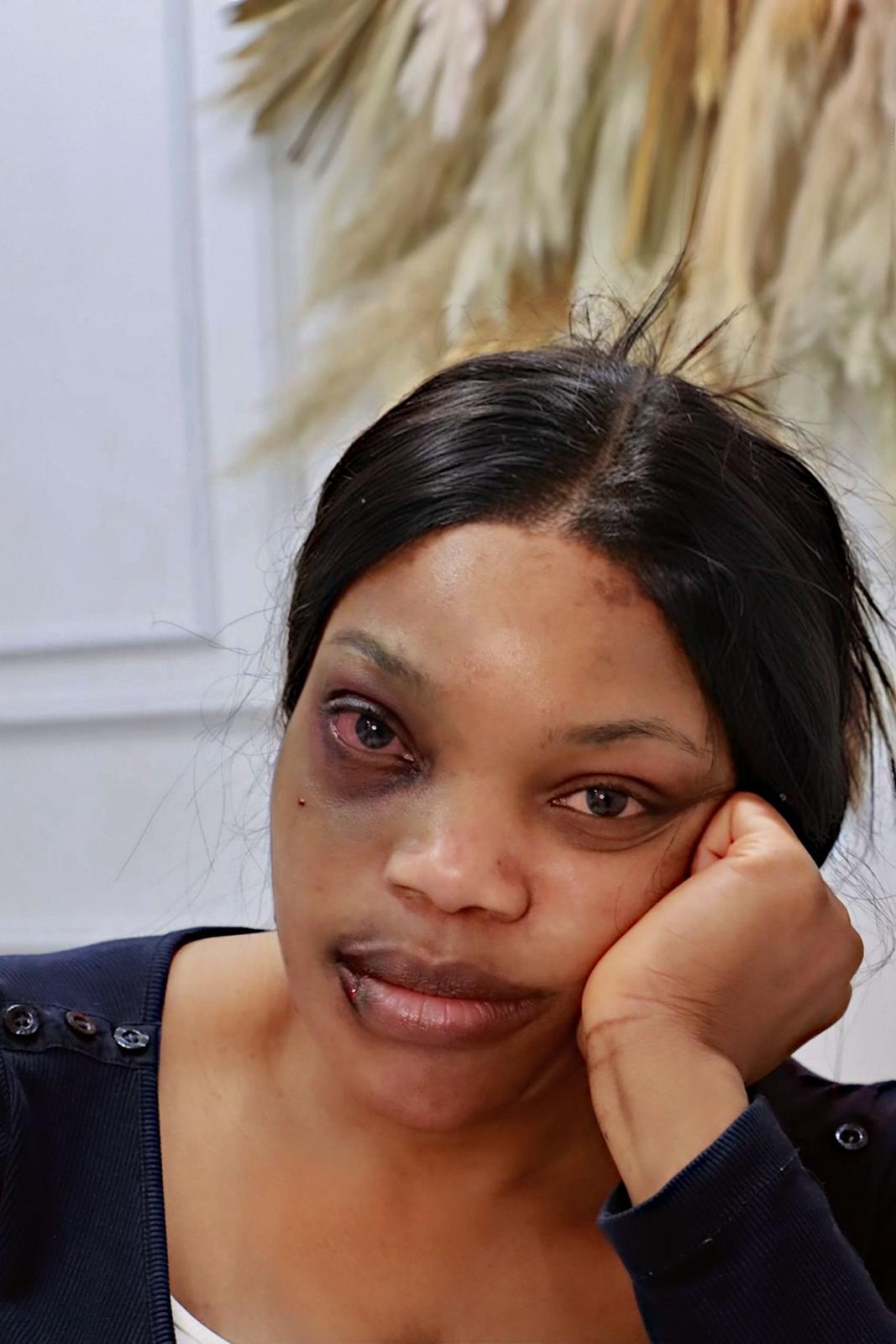
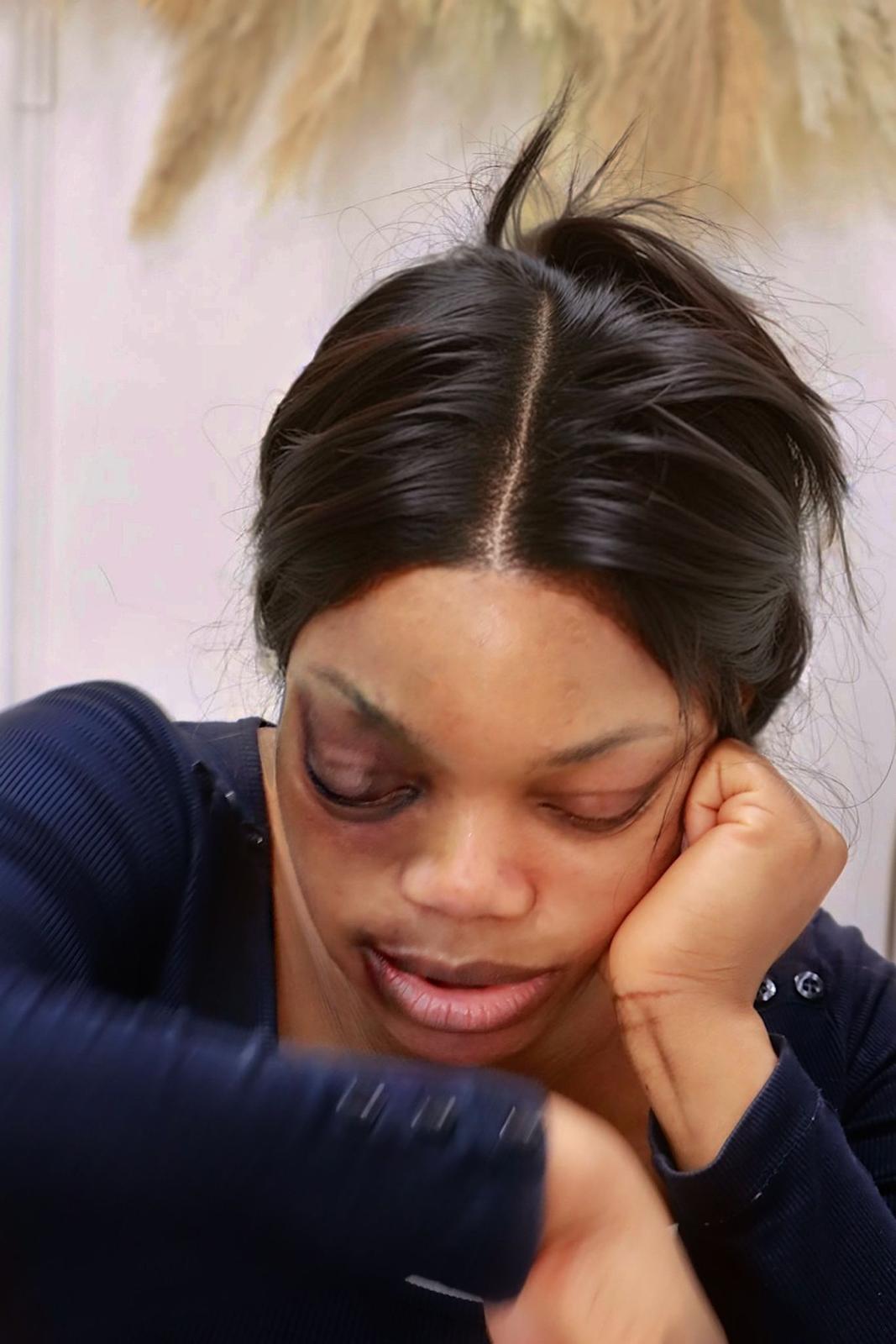
The vision for Women For More International was born from lived experience. Founder Adebukola Salau endured four years of domestic abuse, a period that nearly shattered her dreams and sense of self. Those years were the darkest of her life.
The abuse stripped away her confidence, her identity, and her sense of security. Eventually, with the support of her family and a compassionate neighbour, she made the courageous decision to flee with her children. It was one of the hardest decisions she had ever made. But she knew she had to choose a different future for herself and her children.
During this difficult season, one scripture remained close to her heart: “For I know the plans I have for you,” declares the Lord, “plans to prosper you and not to harm you, plans to give you hope and a future.” — Jeremiah 29:11 Step by step, she rebuilt her life.
From cleaning jobs to professional roles in the financial sector, she slowly restored her confidence, independence, and purpose. But she never forgot the women she met along the way. Women who wanted to leave abuse but felt trapped by fear, financial instability, and the uncertainty of life outside the refuge. She realised something deeply troubling.
Many women return to abusive partners not because they lack courage, but because the fear of hunger, homelessness, and instability is greater than the fear of staying. This realisation became the foundation for Women For More International.
Adebukola made a promise during her darkest days: If she survived and rebuilt her life, she would use her voice, her story, and her platform to help other women do the same. Today, she is a women’s empowerment advocate dedicated to helping survivors rebuild their confidence, reclaim their power, and step into their purpose.
As Maya Angelou once said: “I can be changed by what happens to me, but I refuse to be reduced by it.” That belief continues to guide her mission.
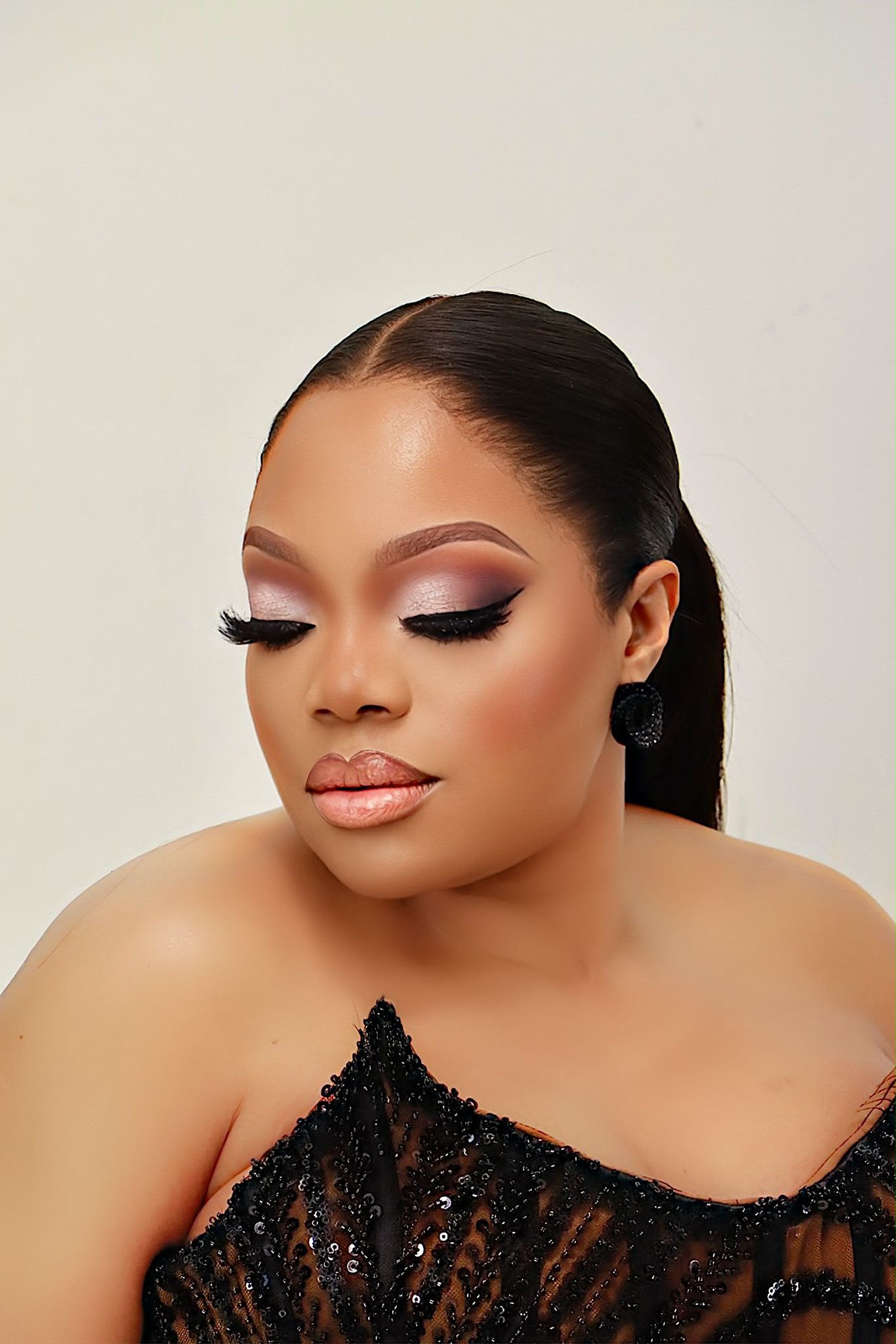
Meet the Founder
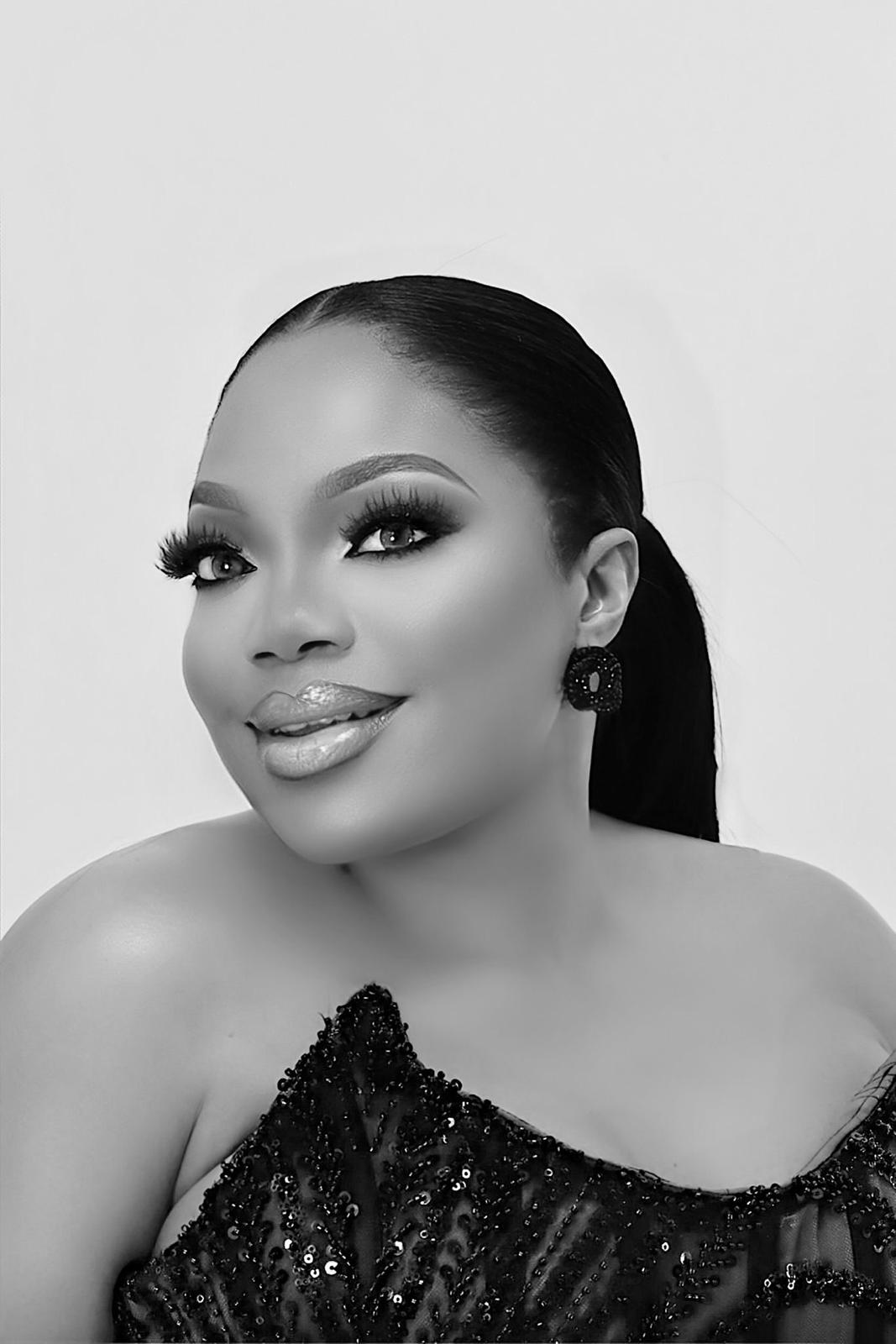
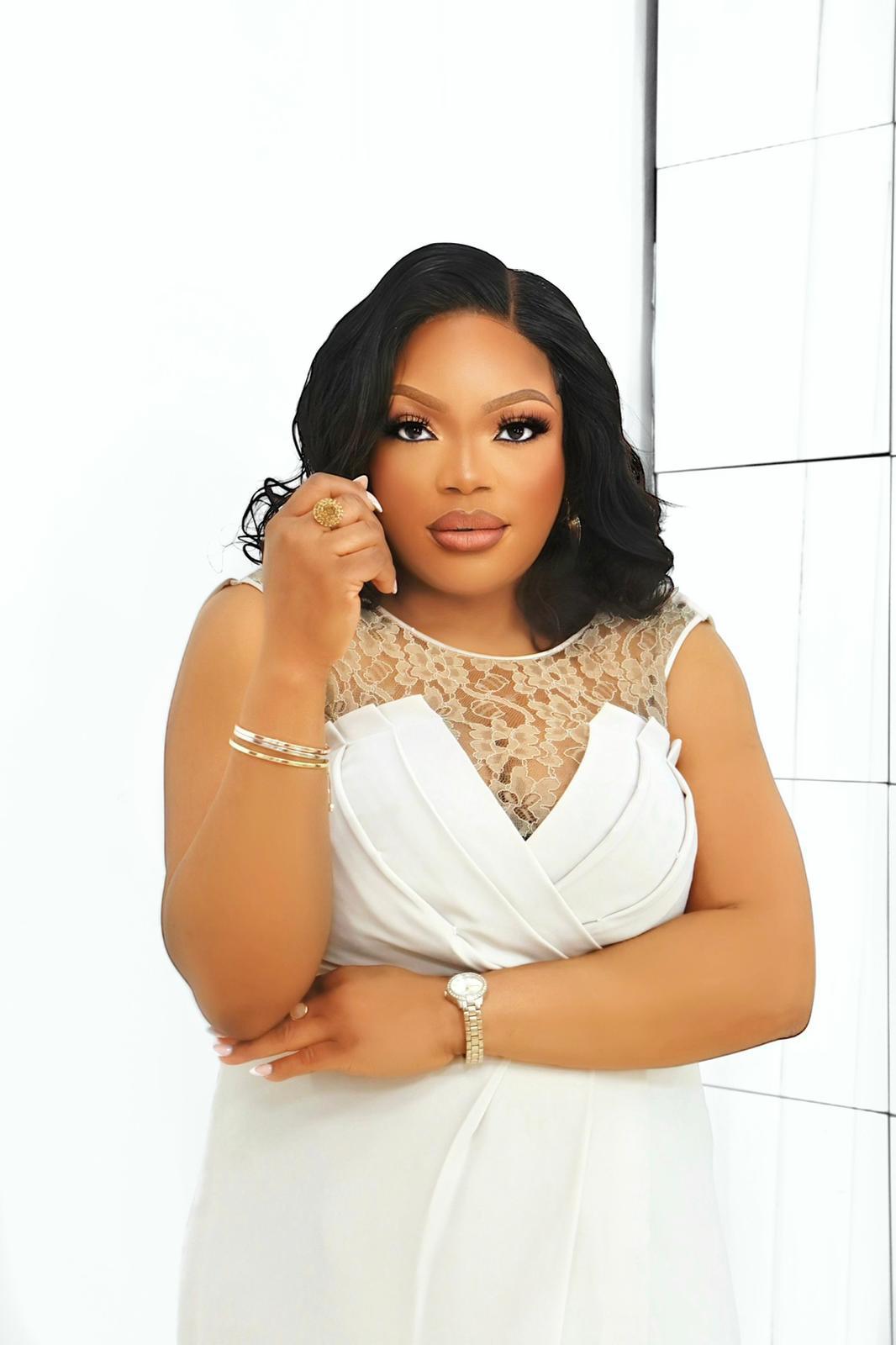
Adebukola Salau
Founder, Women For More International
Founder, Her Connect Hub | IT Professional | Social Impact Leader | Women’s Empowerment Advocate | Domestic Abuse Survivor
From Survival to Social Impact
A woman who once needed a pathway out of crisis is now building pathways through which other women can move towards stability, opportunity, independence and purpose.
This is the story of Adebukola Salau. It is a story of entrepreneurship, adversity, motherhood, faith, resilience, rebuilding and purpose. But above all, it is a story of becoming — a story of what can happen when a woman refuses to allow what happened to her to determine what happens next.
Before the Mission, There Was a Dream
Adebukola has been an entrepreneur for most of her adult life. Her entrepreneurial journey began in Africa before and during university, where she recognised opportunities to trade products she knew women wanted and would buy. After graduating from university in 2000, she developed her own businesses and built experience across fashion, beauty, jewellery and women’s lifestyle products.
Entrepreneurship was more than a source of income — it was part of who she was: creative, ambitious, resourceful and determined to create opportunities for herself and others. Her entrepreneurial journey eventually brought her to the United Kingdom through business. She arrived with dreams for the future and the belief that a new chapter was beginning, but life would take an unexpected turn.
When Survival Became the Priority
After permanently relocating to the United Kingdom in 2011, Adebukola entered one of the most difficult chapters of her life. For four harrowing years, she endured domestic abuse, including emotional, physical and financial abuse. Those years became one of the lowest and darkest periods of her life.
The experience did not simply affect her circumstances; it affected how she saw herself. Her confidence and self-esteem were deeply impacted. Dreams that had once felt possible became harder to see. There was shame, isolation, heartbreak, fear and the constant uncertainty of what the future might hold. There were sleepless nights, emotional exhaustion, the struggle of motherhood, and the weight of trying to rebuild a sense of self while caring for two young children.
“Domestic abuse can profoundly alter a woman’s perception of herself. It can become a major source of psychological distress and have lasting emotional and physical consequences. Even after leaving, taking control of one’s life again can be an immense challenge”
Adebukola knows this reality not simply from what she has witnessed, but from what she has lived. Eventually, her pursuit of survival became a pursuit of freedom. With the help and support of her family and a neighbour, she made the decision to flee. She left with her two children and entered a refuge, where she spent several months beginning the difficult process of rebuilding her life. Leaving was not the end; it was the beginning of her journey back to herself.
The Decision to Rebuild
In the refuge, Adebukola made a decision: This would not be where her story ended. She did not want to lose herself. She wanted more for herself and her children — to raise children who could grow up in a safe and emotionally healthy environment, knowing that adversity does not have to determine destiny. She wanted to rebuild her confidence, rediscover her entrepreneurial identity, rebuild her professional life, and above all, believe in the possibility of a future beyond the circumstances surrounding her.
The journey was not easy. Becoming again meant walking through fear, trauma, isolation, uncertainty and the realities of being a single mother while rebuilding from the ground up. There were no shortcuts — simply the decision to keep moving. During those months, Adebukola documented her thoughts, experiences, fears and hopes in journals, holding tightly to the belief that there could still be a future beyond what she was experiencing.
“For I know the plans I have for you,” declares the Lord, “plans to prosper you and not to harm you, plans to give you hope and a future”.
— Jeremiah 29:11.“I can be changed by what happens to me, but I refuse to be reduced by it.”
That philosophy would eventually become more than a personal statement — it would become part of the foundation of her life’s work.
Rebuilding From the Ground Up
Leaving abuse did not mean that life suddenly became easy. Adebukola had two young children to raise while rebuilding her personal, professional and financial life. She took whatever legitimate work was available to support her family, working across care, cleaning, childcare, beauty consultancy and other roles while continuing to develop herself. There were seasons when survival had to come before ambition. But she continued. She learned. She worked. She rebuilt.
She developed professionally and eventually established herself in the IT sector, bringing experience in delivery, leadership, structured problem-solving, systems thinking and execution. Her professional journey reinforced something she now carries into her social-impact work:
Passion can start a movement. Systems make impact sustainable.
Her story of rebuilding was becoming more than a personal journey — it was becoming preparation for a wider purpose.
Seeing a Gap. Building a Community.
As Adebukola rebuilt her own life, she encountered another challenge: women were struggling to find meaningful community, visibility, collaboration and support around their businesses and aspirations. She had experienced the importance of connection herself. Rather than simply identify the gap, she began building a solution.
In 2017, she started a WhatsApp networking group. Her Connect Hub began as a WhatsApp community to create a space where women could connect, share ideas, exchange information and support one another. But Adebukola saw something bigger: women were building businesses without adequate networks. Women had skills but lacked visibility; women had ambition but lacked community; women were capable of much more, but many were operating in isolation. Her Connect Hub therefore evolved into a platform connecting women-led businesses and diverse entrepreneurs to opportunities to connect, interact, network and grow from 2018 onwards. But as Adebukola built the community, she began hearing stories that went far beyond business.
Listening Beyond the Business
Behind the businesses were women carrying stories of their own — rebuilding after difficult relationships, experiencing isolation, navigating motherhood alone, struggling financially, carrying trauma, or simply trying to find their way back to themselves. Adebukola recognised familiar patterns that reminded her of her own journey.
Because she had lived through domestic abuse herself, she understood something that statistics alone could never fully communicate: Leaving is not the end of the journey. For many women, leaving is the beginning of another difficult chapter — rebuilding confidence, regaining stability, pursuing financial independence, rebuilding careers, caring for children, navigating trauma, and learning to believe in yourself again. That insight became the bridge between Adebukola’s personal journey and her social-impact mission.
From Lived Experience to Action
Adebukola began using her voice, relationships and platforms to support women affected by domestic abuse and adversity. In 2020, during the COVID-19 pandemic, she raised funds to support women experiencing domestic abuse, including women supported by Choices in Gravesend — the refuge where she and her children had previously spent several months. For Adebukola, this was deeply personal. She was no longer simply remembering the woman she had once been; she was returning to support women who were walking a path she understood.
She subsequently supported fundraising and awareness initiatives connected with refuge services in Hertfordshire and continued participating in campaigns supporting survivors. In 2023, she undertook another fundraising walk in support of refuge services and continued supporting awareness and fundraising initiatives in subsequent years. What began as giving back gradually became something much larger: a commitment to creating pathways through which women can rebuild.
From Community Builder to Social Impact Founder
The Birth of Women For More International
By 2023, the different chapters of Adebukola’s journey had begun to converge. Her experience of adversity had taught her the realities of rebuilding. Her entrepreneurial journey had taught her the importance of opportunity and economic independence. Her experience building Her Connect Hub had taught her the power of community, connection and listening. And the stories women had trusted her with had revealed a deeper need: women did not simply need pathways out of crisis, they needed pathways to rebuild what came after it. That realisation became the foundation for Women For More International.
Founded in 2023, the organisation was created to support women — particularly survivors of domestic abuse, single and isolated mothers, and women facing social and economic barriers — to rebuild confidence, regain stability, develop their capacity and move towards greater independence, opportunity and purpose.
Women For More International was born from the intersection of three powerful forces:
- Lived experience.
- Community insight.
- A commitment to sustainable social impact.
But Adebukola did not want to build an organisation that simply responded to immediate need. She wanted to help build pathways beyond crisis — pathways that recognise that recovery is not only about leaving, but also about what comes next.
- How does a woman rebuild her confidence?
- How does she regain financial independence?
- How does she rediscover her identity?
- How does she reconnect with opportunity?
- How does she move from surviving to believing that she can build a different future?
These questions became central to the work. And from that vision came four interconnected pillars:
HEAL
Creating space for women to recover, reconnect with themselves and begin moving beyond the impact of adversity.
EMPOWER
Equipping women with knowledge, confidence, skills and opportunities to exercise greater agency over their futures.
RESTORE
Supporting women to rebuild stability, dignity, identity, confidence and the foundations required for sustainable independence.
THRIVE
Creating pathways beyond survival towards opportunity, economic participation, leadership, purpose and possibility.
Women For More International is therefore not built around the idea that women should simply survive. It is built around the belief that women deserve the opportunity to heal, empower, restore and thrive.
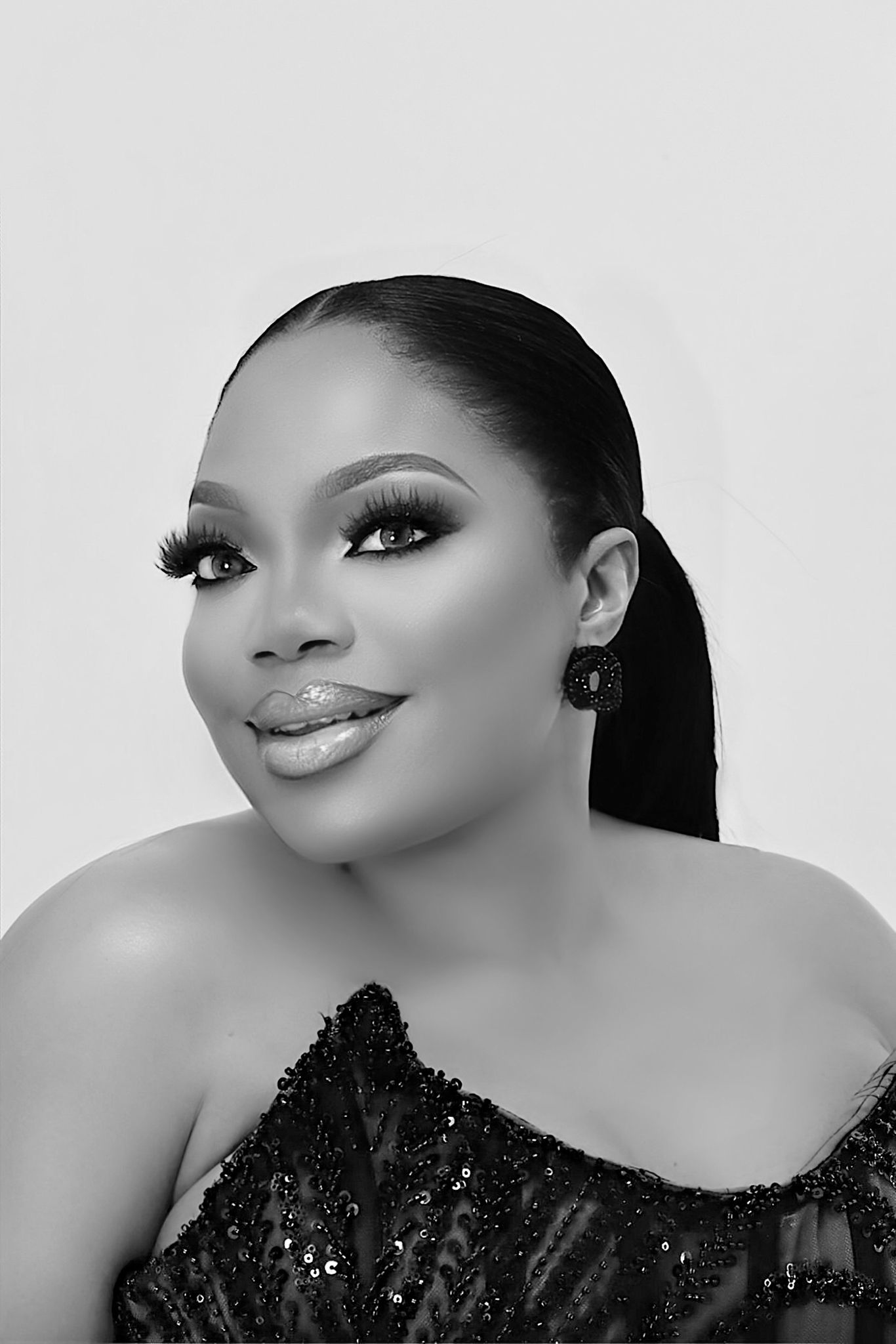
Women at the Heart of the Solution
Adebukola’s lived experience informs the work of Women For More International, but it does not define the limits of the women the organisation serves. She knows that no single experience can represent every woman’s journey. That is why the organisation places women at the heart of how its work is shaped. Women are not passive recipients of support; their experiences, voices, insights and aspirations matter.
The organisation listens to the women it serves, seeks to understand the barriers they face and uses those insights to shape interventions that respond to real needs. This survivor-informed approach is balanced with safeguarding, accountability, professional standards, partnership and evidence. For Adebukola, empowerment is not about speaking for women, it is about creating the conditions in which women can find their own voice, make informed choices and reclaim agency over their lives. The goal is to help create the conditions in which she can discover who she is, decide who she wants to become and have the opportunity to get there.
Turning a Personal Journey Into a Wider Model of Change
Today, Women For More International is developing a connected approach to social impact that recognises the realities women face before, during and after crisis. Its work includes Nourish Hub, a crisis-stabilisation initiative providing food and essential support to individuals and families experiencing hardship, and Rise & ReBuild, a capacity-building programme supporting confidence, personal development, financial capability, career readiness, leadership and pathways towards economic empowerment. Through practical support, community engagement, partnerships, referrals, learning and targeted interventions, the organisation is building connected pathways rather than treating individual challenges in isolation.
Stability creates space for recovery.
➔
Recovery creates space for confidence.
➔
Confidence creates space for opportunity.
➔
Opportunity creates space for thriving.
This reflects Adebukola’s own journey. What she once had to navigate as an individual is now being translated into programmes, partnerships and pathways designed to help others move forward.
A Leader at the Intersection of Humanity and Systems
Adebukola brings a distinctive combination to social-impact leadership. She understands the human reality of crisis because she has lived it. She understands entrepreneurship because she has built businesses. She understands community because she has built communities. She understands delivery and systems because of her professional experience in IT.
And she understands that sustainable social impact requires more than good intentions. It requires - Structure, Partnership, Governance, Accountability, Evidence, Execution, Learning, Sustainability. Her leadership therefore sits at the intersection of humanity and systems. She believes lived experience should inform better solutions — but that lived experience must be combined with responsible leadership, professional practice and measurable impact if those solutions are to become sustainable.
Recognition and Leadership
Adebukola’s work has increasingly received recognition across community, entrepreneurship and women’s empowerment spaces. Her recognition includes:
- Women for Africa 2023 Gold List, UK — an edition celebrating African queens and women breaking barriers.
- Recognition through the Women Like Me Awards, UK for her community and platform work.
- Shortlisted for the Novi Awards, UK in the Women Breaking Barriers category.
- Finalist recognition in the Women for Africa Awards 2023, UK, including Women in Business and Women in Diversity & Inclusion.
- International recognition in Spain for Outstanding Impact in Women’s Advancement and Social Change.
- Features in The Voice newspaper, UK and The Voice Black Business Magazine.
- Recognition through the East London Business Expo, UK for her community and entrepreneurial contribution.
She has also been invited by her local Member of Parliament to speak about her community work, the development of Her Connect Hub and Women For More International, and the future vision of both platforms. For Adebukola, recognition is not the destination; it is an affirmation that work rooted in lived experience can evolve into credible platforms capable of contributing to wider social change.
Why She Does This Work
At the heart of Adebukola’s work is a simple but powerful conviction - A woman’s worst chapter should never become the definition of her entire life. She knows what it means to lose confidence, question her future, rebuild while raising children, and walk through fear, isolation, heartbreak, trauma and uncertainty. She knows that rebuilding is rarely linear — that is why her work is not focused solely on crisis, but on what comes next.
- Who does a woman become after she survives? What happens when she begins to believe in herself again?
- What opportunities become possible when stability is restored?
- What happens when financial dependence begins to give way to economic agency?
- What happens when a survivor becomes an entrepreneur, professional, leader, advocate or community builder?
These are not abstract questions for Adebukola; they are questions she has lived, and questions that now shape the work of Women For More International.
A Vision Beyond Survival
Adebukola’s ambition is not to build an organisation that simply responds to crisis. Her vision is to contribute to a wider movement that changes the conversation around what is possible after adversity — a movement where women are not permanently defined by what happened to them.
Where survivors are recognised not only through the lens of vulnerability, but through the lens of potential. Where dignity is protected. Where opportunity is accessible. Where economic empowerment is recognised as part of recovery. Where children and families are considered. Where lived experience informs better systems. And where women are supported not merely to survive, but to build lives defined by possibility. She believes women should not have to be extraordinarily resilient simply because systems failed them; they should have access to the support, resources, opportunities and conditions necessary to rebuild.
A Call to Stand With Us
The transformation of women’s lives cannot be achieved by one organisation or one founder alone; it requires collective responsibility. Women For More International therefore invites international foundations, philanthropic organisations, corporations, public institutions, community organisations, practitioners, advocates, media platforms, speakers, funders, changemakers and individuals — women and men — to join hands with us.
- Stand with women facing and fleeing domestic abuse.
- Support women rebuilding after adversity.
- Help raise awareness & challenge harmful systems.
- Create opportunities, share expertise & open doors.
- Invest in solutions & amplify women’s voices.
And help build pathways that allow women to regain stability, restore their confidence, reclaim their agency and move towards sustainable independence. There is a role for everyone because creating lasting change requires action. Together, we can help create a world where women facing adversity are not left to rebuild alone — a world where a woman can leave, recover, rebuild, discover her strength again, rise above limitations, harness her power, step into her purpose, and realise her limitless potential and thrive.
From Survivor to Change Agent
Adebukola once stood in a place where she needed support, stability and a pathway forward. Today, she is building those pathways for others. Her journey has taught her that resilience is not simply about enduring hardship — it is about what we build after hardship. Her story is therefore not one of victimhood; it is a story of becoming.
- From entrepreneur to survivor.
- From survivor to rebuilder.
- From rebuilder to community builder.
- From community builder to social-impact founder.
And from personal transformation to a vision for collective change. She did not choose what happened to her, but she chose what she would do with what happened to her — and that choice continues to shape everything she builds.
“I Can Be Changed by What Happens to Me, But I Refuse to Be Reduced by It.”
This is more than a quotation Adebukola admires; it reflects the philosophy that has shaped her journey. She does not believe adversity should be romanticised, nor that women should have to demonstrate extraordinary resilience simply because systems failed them. She believes women deserve support, dignity, opportunity, safety, and the chance to rebuild.
And when women are given the conditions to do so, they can do far more than recover: They can lead. They can build. They can create. They can contribute. They can inspire. They can thrive.
The Work Continues
Women For More International is still growing. Its ambition extends beyond any single programme, event or initiative. Adebukola is building towards a future where partnerships across philanthropy, business, government, community organisations and institutions can strengthen pathways for women facing adversity — locally, nationally and internationally.
The goal is not simply to grow an organisation; it is to build an organisation capable of creating measurable, sustainable and scalable social impact. Because the woman who once needed a pathway is now committed to helping build them for herself, her children, the women she serves, and for generations of women who deserve to know that their circumstances do not have to determine their destiny.