back top

The Rebuilding Gap

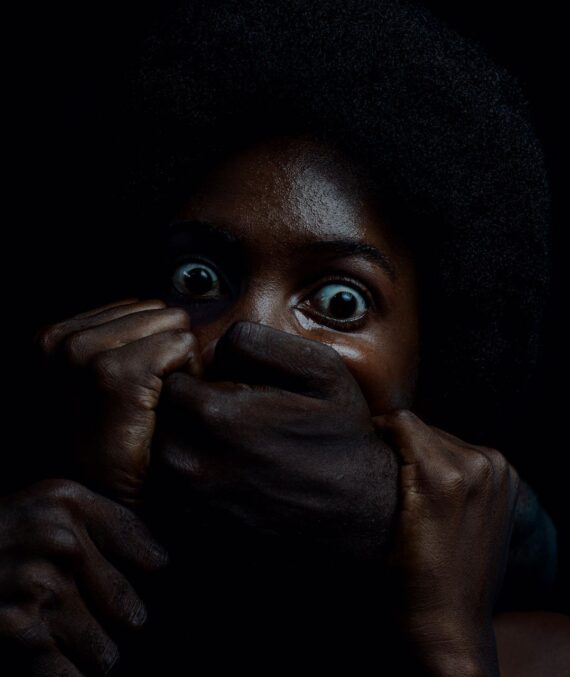
Every woman deserves the opportunity to live a life defined by safety, dignity, confidence, and possibility. Yet across the world, millions of women continue to experience domestic abuse, economic insecurity, social isolation, and structural barriers that prevent them from fully rebuilding their lives. Domestic abuse is not only a private issue affecting individuals and families.


It is a global human rights challenge, a public health concern, a social justice issue, and an economic challenge affecting communities and societies worldwide.


At Women Women Women For More International, we believe that supporting women requires more than crisis intervention alone. Women need pathways that enable them to move from survival to stability, from stability to empowerment, and from empowerment to long-term opportunity.


Our work exists to address the critical gap between escaping crisis and building a sustainable future.


Global Human Rights Challenge (WHO & UN Data)

Domestic abuse remains one of the most widespread forms of violence affecting women and girls globally. According to the World Health Organization (WHO), approximately 1 in 3 women worldwide experience physical and/or sexual violence in their lifetime, with intimate partner violence being one of the most common forms.


The United Nations recognises violence against women as one of the most persistent human rights violations globally. The impact of domestic abuse extends far beyond the immediate experience of violence. Survivors may experience:


• Trauma and psychological distress

• Loss of confidence and self-worth

• Social isolation

• Housing insecurity

• Financial hardship

• Barriers to employment and education

• Long-term impacts on physical and mental wellbeing


For many women, leaving an abusive environment is the beginning of a complex recovery journey rather than the end of the crisis.

Domestic Abuse in the United Kingdom

According to national reporting, millions of adults experience domestic abuse each year, with women disproportionately affected by the most severe forms of abuse, including physical violence, coercive control, and economic abuse.


UK organisations such as Refuge highlight that domestic abuse affects women across all communities and backgrounds. Key challenges faced by UK survivors include:


  • Financial insecurity
  • Lack of access to essential resources
  • Housing challenges
  • Isolation
  • Reduced confidence

• Difficulty accessing employment opportunities Leaving abuse requires more than emergency support, it requires long-term pathways to recovery.


Economic Abuse: The Hidden Barrier

Economic abuse is a powerful form of control that limits a survivor’s ability to access money, resources, employment, and financial independence. It can include:

• Controlling access to bank accounts

• Restricting employment opportunities

• Preventing access to financial resources

• Creating debt

• Controlling everyday spending According to Refuge, economic abuse is experienced by the majority of survivors of domestic abuse.


Economic abuse can continue even after a survivor leaves. Safety and economic empowerment are interconnected; true recovery requires access to confidence, resources, skills, and opportunities.

Poverty, Vulnerability & The Rebuilding Gap

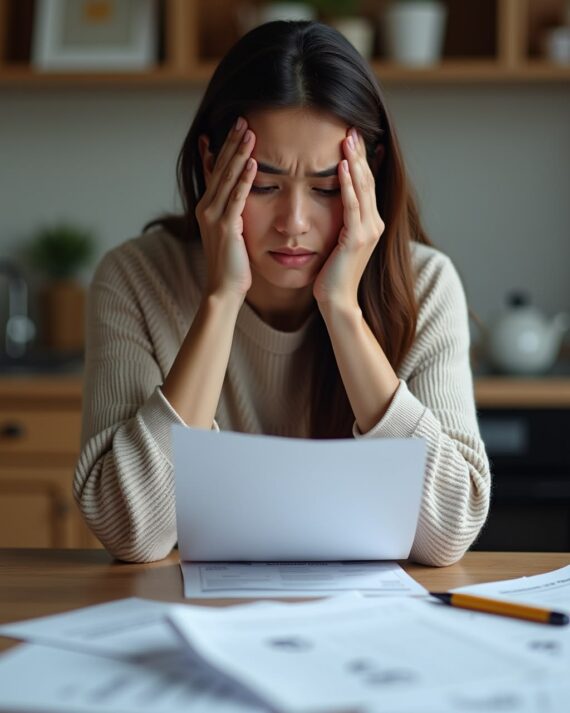
Many survivors enter a period of vulnerability post-crisis where they face food insecurity, financial hardship, lack of essential household items, increased living costs, employment disruption, limited support networks, and uncertainty about the future.


We refer to the significant gap between crisis support and sustainable independence as the rebuilding gap. This is the period where a woman may no longer be in immediate danger but still lacks the stability, confidence, resources, and opportunities required to fully rebuild.

Impact on Children & Future Generations

Domestic abuse affects entire families. Children exposed to domestic abuse can experience significant emotional, psychological, social, and educational impacts (such as anxiety, emotional distress, disrupted education, and reduced security).


Supporting women is also an investment in children and future generations. When women are supported to rebuild, children have greater opportunities to grow in safe, stable, and nurturing environments.

The System Gap & Why Intervention Matters

Leaving does not equal recovery; leaving is the beginning of a difficult rebuilding journey. Evidence shows that supporting women through recovery creates wider social benefits. When women have access to stability, dignity-centred support, safe communities, skills development, economic opportunities, and confidence-building pathways, it strengthens families, supports children, builds stronger communities, and contributes to healthier societies.

Why Women For More International Exists

Women For More International was founded because we believe every woman deserves more than survival. She deserves the opportunity to Heal, Empower, Restore, and Thrive.

Our commitment is simple: Not only to support women through crisis, but to help create the conditions where women can rebuild, succeed, and thrive.